


First They Came by Martin Niemöller.
This article was inspired by the powerful poem “First They Came” by Martin Niemöller.
Niemöller was a complex man. There was nothing simple about him. In the early years of Nazi Germany, he supported many of Hitler’s nationalist ideals and, as did countless others, all of whom failed to recognise the terrible direction in which the country was heading. Only after opposing state interference in the Church was he arrested and imprisoned in concentration camps.
It was there in those camps, and in the years that followed, that he reflected deeply upon his own silence and the silence of millions of others.
Out of that reflection came one of the most haunting poems ever written.
“First they came for the Communists
And I did not speak out
Because I was not a Communist.
Then they came for the Socialists
And I did not speak out
Because I was not a Socialist.
Then they came for the trade unionists
And I did not speak out
Because I was not a trade unionist.
Then they came for the Jews
And I did not speak out
Because I was not a Jew.
Then they came for me
And there was no one left
To speak out for me”.
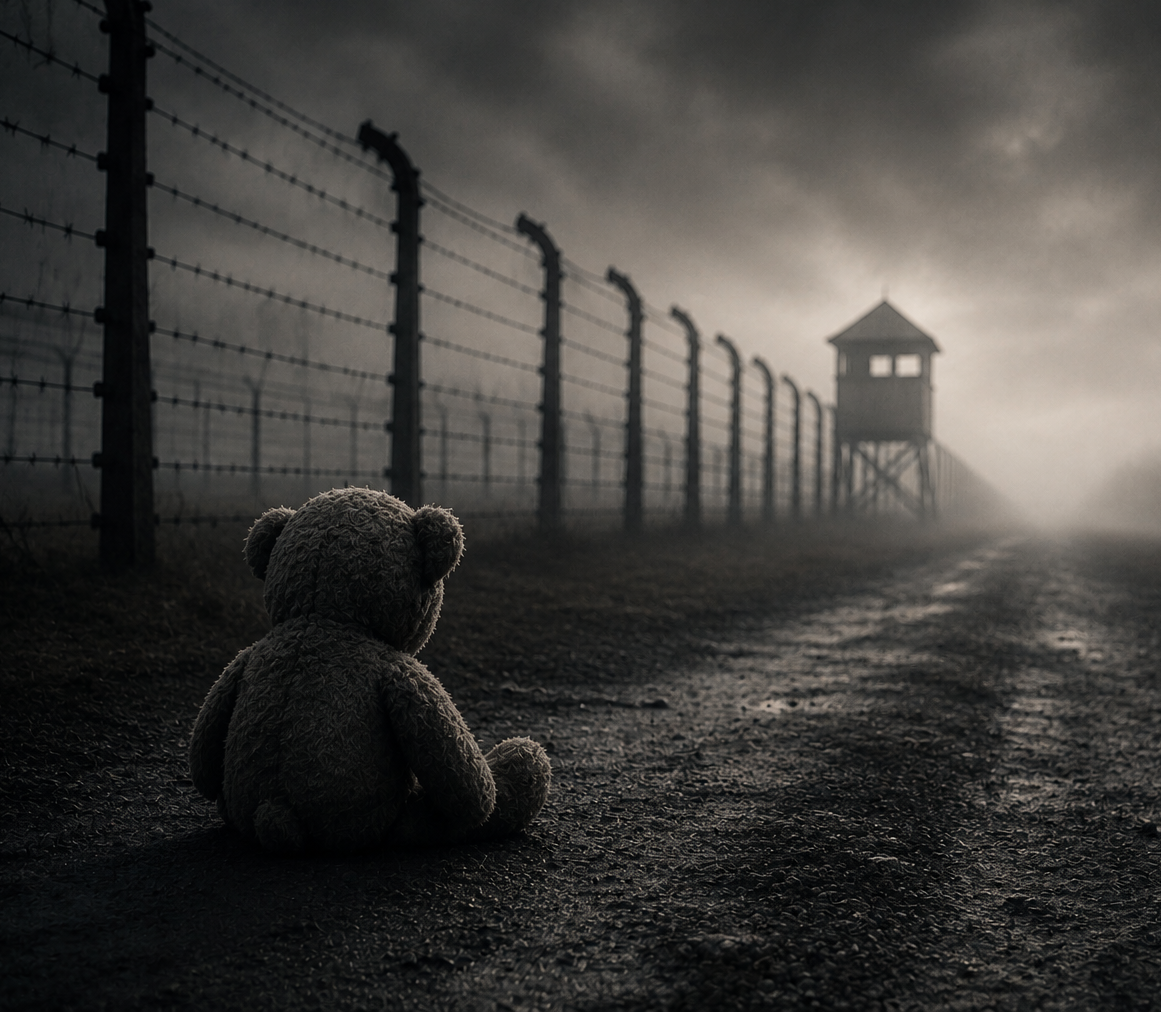
For me, this poem has never been about politics. It was always about humanity.
Reminding us that injustice rarely arrives all at once. It begins quietly, slowly stealing a right from one group. Somewhere, a voice is silenced. A minority is blamed in an attempt to misdirect. Most people look away because they believe it has nothing to do with them. After all, it isn’t their family, nor is it their community.
It isn’t their problem, until one day, it is.
History teaches us that oppression survives not simply because of those who seek power, but because too many good people convince themselves that someone else will speak. Perhaps it is also because decent people struggle to comprehend the reality of evil. Few envisioned the horrors that would unfold during the Second World War, and even today we struggle to understand how one human being could treat another with such cruelty.
Silence feels comfortable. It feels safe. It tells us it is better to remain quiet when what we are witnessing is difficult to comprehend.
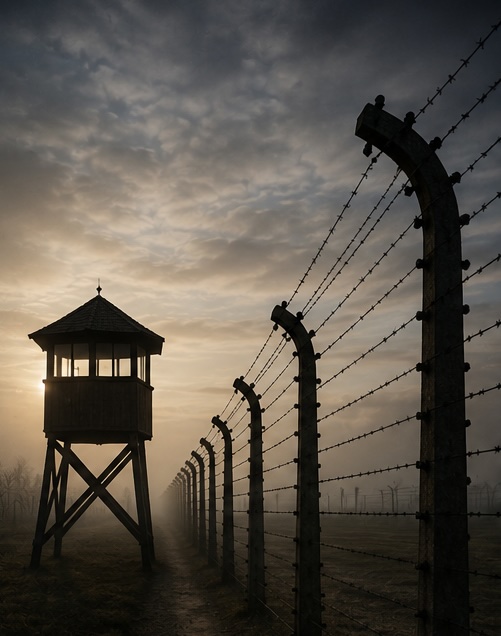
Courage rarely is comfortable, and yet, to be courageous, we need foresight to accept what we observe, and that is difficult.
Today, our world feels increasingly divided. We have more ways to communicate than at any other point in history, yet genuine conversation is becoming more difficult. Information travels instantly, but so too do fear, anger and misinformation. Public debate often rewards those who shout the loudest while wisdom struggles to be heard.
We speak frequently about freedom, equality and human rights, yet these principles mean little if they are defended only when they benefit us personally. Their true value is measured by our willingness to defend them for people with whom we may disagree, or for those we do not know at all.
The lesson Niemöller leaves us is not merely a warning about Nazi Germany. More importantly, it is a warning about human nature.
Each generation believes it would have acted differently. We tell ourselves that we would have spoken out. That we would have resisted. Yet history suggests otherwise. Most people simply adapt to whatever becomes normal around them.
That is why this poem remains as relevant today as it was eighty years ago.
Every one of us will witness injustice in some form during our lives. It may or may not involve governments or wars. It may be as simple as bullying in a school, discrimination in the workplace, corruption in business, cruelty towards a neighbour, or the quiet exclusion of someone who has no voice.
The question is always the same. Will we remain silent because it does not affect us?
Or will we have the courage to speak before the silence reaches our own doorstep?
Being fully human is not measured by how loudly we defend ourselves.
It is measured by whether we are willing to stand beside others when they cannot defend themselves. Perhaps that is the greatest lesson Martin Niemöller left behind.
Not that evil exists—we already know that it does. But that goodness and Light require courage.
Be Your Heart


